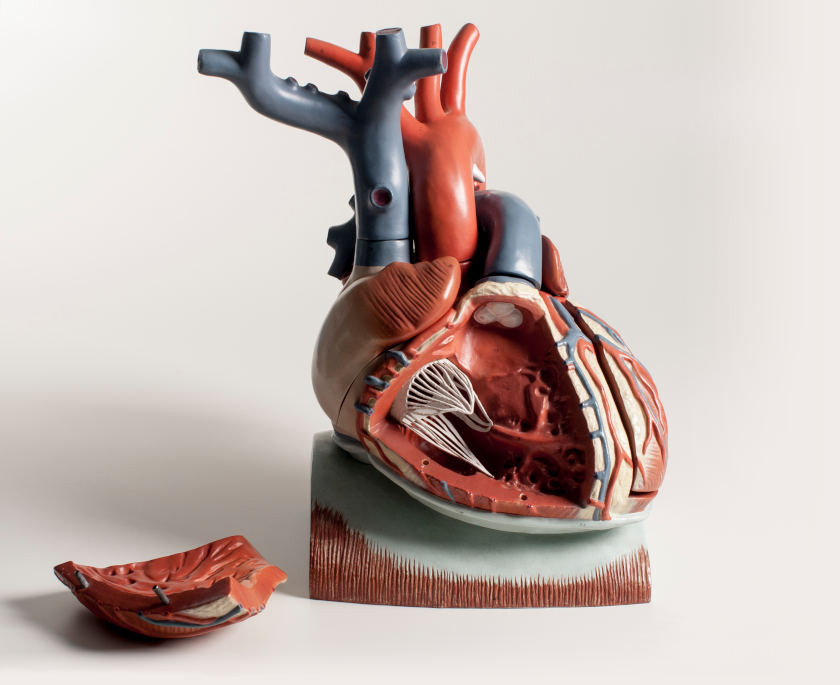
 Cardiovascular Physiology Concepts, 3rd edition textbook, Published by Wolters Kluwer (2021)
 Normal and Abnormal Blood Pressure, published by Richard E. Klabunde (2013)
Local Regulation of Blood Flow
Tissues and organs within the body can intrinsically regulate, to varying degrees, their blood supply to meet their metabolic and functional needs. This is termed local or intrinsic regulation of blood flow.
Several mechanisms are responsible for local blood flow regulation. Some mechanisms originate from within blood vessels (e.g., myogenic and endothelial factors), whereas others originate from the surrounding tissue. The tissue mechanisms are linked to tissue metabolism or other biochemical pathways (e.g., arachidonic acid metabolites, histamine, and bradykinin).
Local regulatory mechanisms act independently of extrinsic control mechanisms, such as sympathetic nerves and circulating hormones. Therefore, local regulatory mechanisms can be demonstrated in isolated, perfused organs having no neural or hormonal influences. Ultimately, the balance between local regulatory mechanisms and extrinsic factors in vivo determines the vascular tone and, therefore, the blood flow within the tissue.
Examples of local regulation of blood flow include:
Revised 01/01/2023
 Twitter
 Telegram
 LinkedIn
 WhatsApp
 Facebook
 Reddit