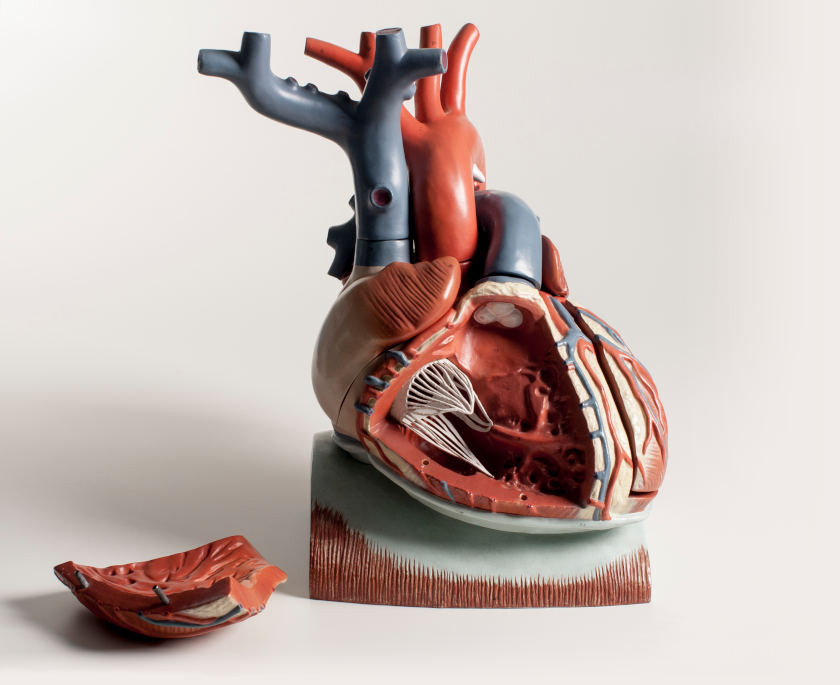
 Cardiovascular Physiology Concepts, 3rd edition textbook, Published by Wolters Kluwer (2021)
 Normal and Abnormal Blood Pressure, published by Richard E. Klabunde (2013)
Hypertension - Introduction
High blood pressure, termed "hypertension," is a condition that afflicts almost 1 billion people worldwide and is a leading cause of morbidity and mortality. Over 45% of Americans are hypertensive, and about 40% of these Americans are not aware they are hypertensive. Therefore, this disease is sometimes called the "silent killer." This disease is usually asymptomatic until the damaging effects of hypertension (such as stroke, myocardial infarction, renal dysfunction, and visual problems) are observed. Hypertension is a major risk factor for coronary artery disease, myocardial infarction ("heart attacks"), and stroke.
Arterial blood pressure is "normal" when the systolic pressure is 90-119 mmHg and the diastolic pressure is 60-79 mmHg. Blood pressures <90/60 mmHg are considered abnormally low (hypotension). When the arterial pressure is ≥120/80 mmHg, a person is said to have "elevated" pressure or hypertension. Mean arterial pressure is also elevated in hypertension, but it is not measured in most clinical settings. In past years, the diastolic value was emphasized in assessing hypertension. However, elevations in systolic pressure ("systolic hypertension") are also associated with increased incidence of coronary and cerebrovascular disease (e.g., stroke). Therefore, we now recognize that both systolic and diastolic pressure values are important risk factors. Several leading physician organizations, including the American Heart Association and the American College of Cardiology, published undated guidelines in August 2025 for defining and treating hypertension. The following table, based on the current 2025 guidelines, defines the blood pressure values associated with the different categories of hypertension. Additionally, pressures greater than 180/120 without end-organ damage are considered severe hypertension.
Definition of Hypertension (2025 Guidelines)

Two Classes (or Types) of Hypertension
In 90-95% of patients presenting with hypertension, the cause is unknown. This condition is called primary (or essential) hypertension. The remaining 5-10% of hypertensive patients have hypertension that results secondarily from renal disease, endocrine disorders, or other identifiable causes. This form of hypertension is called secondary hypertension.
Hemodynamic Basis of Hypertension
Regardless of the origin of hypertension, the increase in arterial blood pressure is caused by either an increase in systemic vascular resistance (SVR), an increase in cardiac output (CO), or both. The former is determined by the vascular tone (i.e., state of constriction) of systemic resistance vessels, whereas the latter is determined by heart rate and stroke volume. Therefore, to understand how arterial blood pressure can become elevated, it is necessary to understand the factors that regulate SVR and CO.
Treatment of Hypertension
Most people diagnosed with hypertension are treated with antihypertensive medications besides lifestyle modification (diet, exercise, stress reduction, etc.). In most forms of hypertension, the hypertensive state is maintained by an elevation in blood volume, which increases cardiac output by the Frank-Starling relationship. Vasodilator drugs, which decrease systemic vascular resistance, are commonly used to treat hypertension. These drugs include alpha-adrenoceptor antagonists (alpha-blockers), direct-acting vasodilators, calcium-channel blockers, angiotensin-converting enzyme inhibitors, and angiotensin receptor blockers. The latter two groups are the most commonly used vasodilators. Diuretic drugs, which enhance the removal of sodium and water by the kidneys and decrease blood volume, are very effective in the treatment of hypertension. Hypertension is sometimes treated with drugs that decrease cardiac output. These cardioinhibitory drugs either block beta-adrenoceptors in the heart (i.e., beta-blockers) or L-type calcium channels (i.e., calcium-channel blockers), which decreases cardiac output by decreasing heart rate and contractility (inotropy). A complete list of drugs used to treat hypertension can be found by clicking here.
Go to: primary hypertension
Revised 09/25/2025
 Twitter
 Telegram
 LinkedIn
 WhatsApp
 Facebook
 Reddit