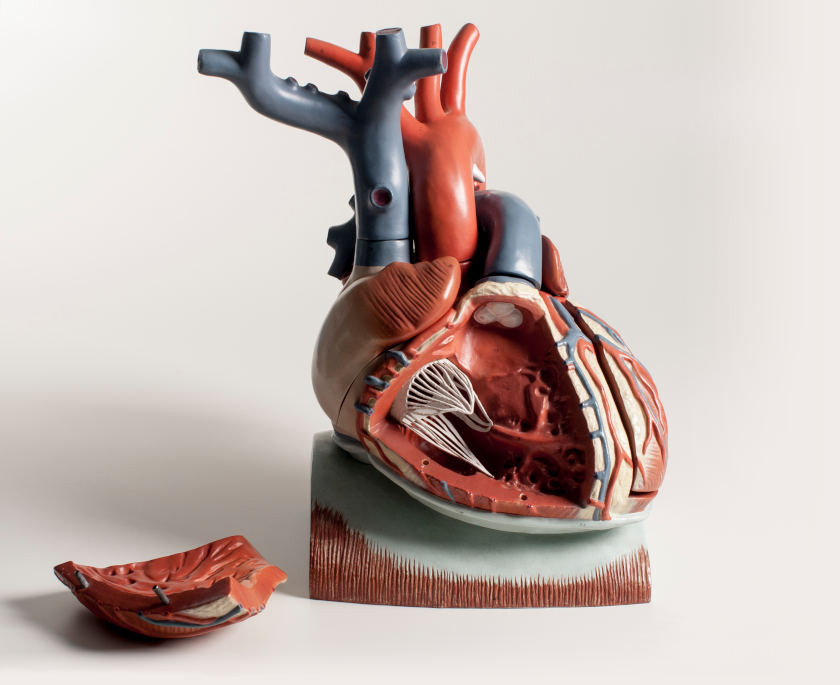
Image for Cardiovascular Physiology Concepts, Richard E Klabunde PhD

Cardiovascular Physiology Concepts

Richard E. Klabunde, PhD

Topics:

Arrhythmias
Cardiac Valve Disease
Coronary Artery Disease
Edema
Heart Failure
Hypertension
Peripheral Artery Disease

Also Visit
CVpharmacology.com


Cardiovascular Physiology Concepts textbook cover

Click here for information on Cardiovascular Physiology Concepts, a textbook published by Lippincott Williams & Wilkins (2005)


Go to Jimp Studio


Table of Contents

Jump to:

Arrhythmias

  1. Introduction to cardiac arrhythmias
  2. Membrane potentials
  3. Action potentials
  4. Impulse conduction
  5. Causes of Arrhythmias
  6. Types of arrhythmias
  7. Electrocardiogram

Top of Page

Cardiac Valve Disease (Heart Murmurs)

  1. Introduction to valve disease and heart murmurs
  2. Cardiac cycle
  3. Valve defects
  4. Ventricular septal defect
  5. Functional murmur

Top of Page

Coronary Artery Disease

  1. Introduction to coronary artery disease
  2. Angina
  3. Oxygen supply/demand imbalance
  4. Oxygen demand
  5. Consequences of ischemia and hypoxia

Top of Page

Edema

  1. Introduction to capillary fluid exchange and edema
  2. Physical factors regulating capillary fluid exchange

Top of Page

Heart Failure

  1. Introduction to heart failure
  2. Normal cardiac function
  3. Pathophysiology of heart failure
  4. Systolic dysfunction
  5. Diastolic dysfunction
  6. Neurohumoral compensatory mechanisms

Top of Page

Hypertension

  1. Introduction to hypertension
  2. Vascular anatomy and function
  3. Arterial pressure
  4. Neurohumoral regulation of arterial pressure

Top of Page

Peripheral Artery Disease (Intermittent Claudication

  1. Peripheral Arterial Occlusive Disease (Intermittent Claudication)
  2. Lower limb hemodynamics
  3. Ankle pressure index
  4. Single stenotic lesions
  5. Multiple stenotic lesions

Top of Page

DISCLAIMER: These materials are for educational purposes only, and are not a source of medical decision-making advice.